What Others Have Said about Hermeneutics, Metacognition, and Writing
“In her collection of essays featuring the work of literary giants like Toni Morrison and Emily Dickinson, editor Maryann DiEdwardo and her contributors map out the terrain of grief and injustice, and make convincing arguments about the efficacy of literature to heal wounds. These ambitious essays are at once erudite, engaging, and remarkably hopeful.”
—Stephanie Powell Watts
(Stephanie Powell Watts won the Ernest J. Gaines Award for Literary Excellence for her debut story collection, We Are Taking Only What We Need (2012), also named one of 2013’s Best Summer Reads by O, The Oprah Magazine.)
“Patti Pasda, as artist, is a painter of animals, especially horses, and it is obvious that she is attuned to their free spirits. As a person in the community, she is equally engaged and understanding, whether she is interacting with an individual or supporting action for global betterment. Patti Pasda—courageous, loyal, loving.”
—Professor Emeritus John F.Vickrey
Lehigh University
Editor and contributor, Maryann Pasda DiEdwardo, 2017 University of Maryland Global Campus Stanley J. DrazekTeaching Excellence Award, was recipient of two UMGC Professional Achievement Awards. She was also awarded by College English Association with a Professional Achievement Award and the Karen Lentz Award for Scholarship at the 2016 College English Association Conference, Denver, Colorado. Her published works include “Pairing Music and Linguistic Intelligences.” Record, vol. 41, no. 3, Spring 2005. Author of memoir The Legacy of Katharine Hepburn, DiEdwardo was interviewed by Bertrand Tessier for the documentary Les Couples Mythiques du Cinema, Katharine Hepburn and Spencer Tracy (2017).
Hermeneutics, Metacognition, and Writing investigates the useful social functionality of actions of essential criteria of study. Text, respect for history by the author of the text, and consideration of the significance of the text move toward the goal of praxis. The takeaway initiates self-monitoring as metacognition, or meta-reflection.
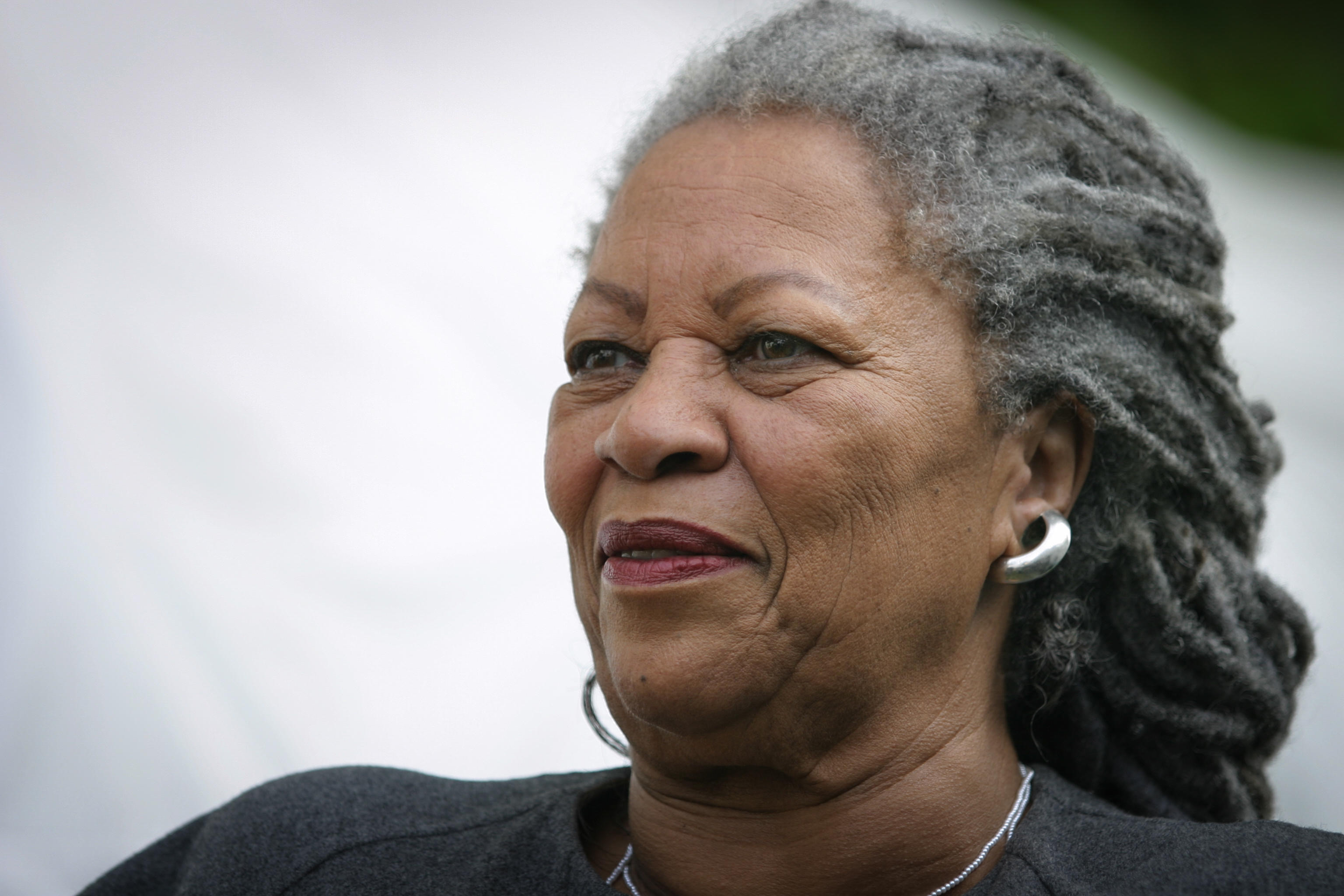
We intend to reach a global audience and to extend our book as a way to speak for all humans and those creatures that have no voice. Patricia presented her paper, “The Development and Impact of Joy Adamson’s Work with Lions in Africa,” for our panel in Washington, DC, in 2019 (chapter 4).Dr. Maryann P. DiEdwardo, Patricia Pasda, and Dr. T. Madison Peschockpresented papers at the NeMLA in Washington, DC. DiEdwardo’s presentation was “Social Justice and Cultural Landscape: Toni Morrison’s Beloved” (chapter 6). Dr. T. Madison Peschock presented chapter 5, “Mrs. Hitchcock’s Coming Out Party – The Injustice to Women in Hitchcock’s Life Revealed in Films.” Peschock reevaluates the director Alfred Hitchcock and reflects on his injustice to women.
DiEdwardo also writes chapter 1, “The Intersectionality of Hermeneutics, Metacognition, and Semiotics”; in chapter 3, “Social Movements: Frank Bidart, Zora Neale Hurston, and Jack Kerouac,” she investigates social movements; she also contributes chapter 7, “Metacognitive Pedagogy Breaks Down Interpersonal Borders”; and chapter 11, “Narrative Hermeneutics.” In chapter 13, “New Utterances, the Overmind, and Moments of Being: Three Modernists Reach Beyond Ordinary Consciousness,” Jill Kroeger Kinkade presents her research investigating three writers who explore consciousness in their fiction and nonfiction works: D. H. Lawrence, Hilda Doolittle (hereafter H.D.), and Virginia Woolf. Biblical hermeneutics: DiEdwardo contributes chapter 2, “Exegesis of St. Maximilian Maria Kolbe and Thomas Merton.” Chapter 8,“Biblical Hermeneutics and the Book of Job” was written by Susan Stangeland, an interfaith minister offers her expertise and scholarship in the area of Biblical hermeneutics. Chapter 10, “Francis of Assisi, A Tale of a Dog, and Hermeneutics” is by Patricia Pasda.
Contributions of two case study researchers include Dr. Maryann P. DiEdwardo’s “The Poetic Vision of Emily Dickinson: A Case Study” in chapter 12, and Dr. Juliet Emanuel’s four case studies which answer significant questions linking hermeneutics, metacognition, and writing
Permission for photo of Toni Morrison, American Nobel Prize-winner, credit: Jeremy Sutton-Hibbert-Alamy Stock Photo
 Dr. Maryann Pasda DiEdwardo